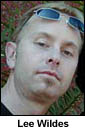
 Lee Wildes, a registered nurse living in San Francisco, was growing tired of the world’s lack of attention to the AIDS epidemic in Africa, where more than two million people die of the disease every year. So he decided to do something.
Wildes founded the African AIDS Network in 1997. He collects donated surplus drugs and dispenses them to 100 people with HIV in Congo, Ethiopia, Kenya, Tanzania, Uganda and Zimbabwe. Wildes mails the drugs every three months to a post office box in Zimbabwe, where they are eventually distributed to his "patients," the San Jose Mercury News reports.
 Wildes receives the drugs from a variety of sources. The families of AIDS victims who died send him leftover prescription medication. Doctors and nurses nationwide defy the law by packaging medications slated for destruction and sending them to Wildes -– their identities are kept secret to avoid sanctions, the Mercury News reports.
He said he doesn’t worry that his mission breaks Food and Drug Administration and World Health Organization guidelines for dispensing drugs. Wildes, who also is HIV-positive, said stopping the African AIDS Network would be a criminal action itself, because it would result in the deaths of those 100 people, the newspaper reports.
Wildes’ organization, which operates on a $5,000 monthly grant from AIDS Empowerment and Treatment International, focuses patients who will serve as AIDS activists and counselors in countries where effective HIV treatment is generally unavailable through traditional sources, the Mercury News reports.
Wildes reviews the files of his 100 clients with a San Francisco doctor -- who sets specific treatment regimes they must follow -- and he personally travels to Africa to meet with them at least once a year.
Not all HIV experts applaud Wildes’ actions. Critics say there is no way to monitor patients who live halfway across the globe, and interrupting a patients’ drug therapy -- which can happen if the packages aren't delivered on time -- can result in reactivating the virus and boosting resistance to future treatments, the newspaper reports.
But the results of not treating these people far outweigh the risks, Wildes said, noting that he's lost just one patient in four years. Other health care professionals also support his cause.
"Lee is setting an example," said AIDS researcher David Katzenstein. "This is a holocaust, and we don't know what to do about it. But to say that it's so difficult that the best solution is to treat no one is a moral failure."
Full text of the article is currently found at:
http://www0.mercurycenter.com/premium/
local/docs/aidafrka01sf.htm